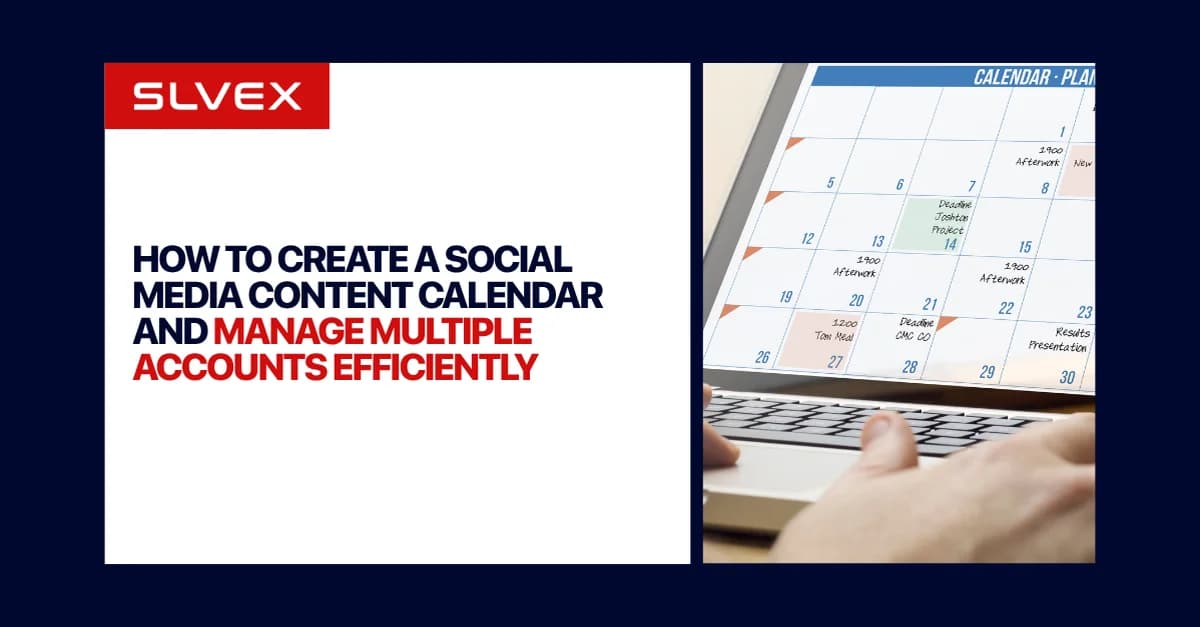
Managing several social platforms doesn't have to feel overwhelming. Businesses running Instagram, Facebook, LinkedIn, and TikTok accounts at the same time often struggle not because the content itself is hard to create, but because there's no system tying it all together. A content calendar solves that problem, turning scattered, reactive posting into an organized, sustainable process.
Benefits of a Content Calendar
A content calendar gives a team a bird's-eye view of everything being published: what's going out, when, and on which platform. This visibility prevents the two most common social media problems: missed posting days and last-minute scrambling for ideas. It also protects content quality, since posts can be reviewed and refined ahead of time instead of published under time pressure.
Beyond organization, a calendar makes collaboration easier. Writers, designers, and approvers can all see the same plan, reducing back-and-forth and keeping everyone aligned on what's coming next.
Planning Content by Goals and Audience
An effective calendar starts with a clear purpose behind each post, not just a blank date that needs filling. Content should map back to specific goals: brand awareness, engagement, lead generation, or community building. Mixing these purposes deliberately, rather than posting whatever comes to mind that day, produces a stronger and more balanced content mix over time.
Scheduling Tools and Workflows
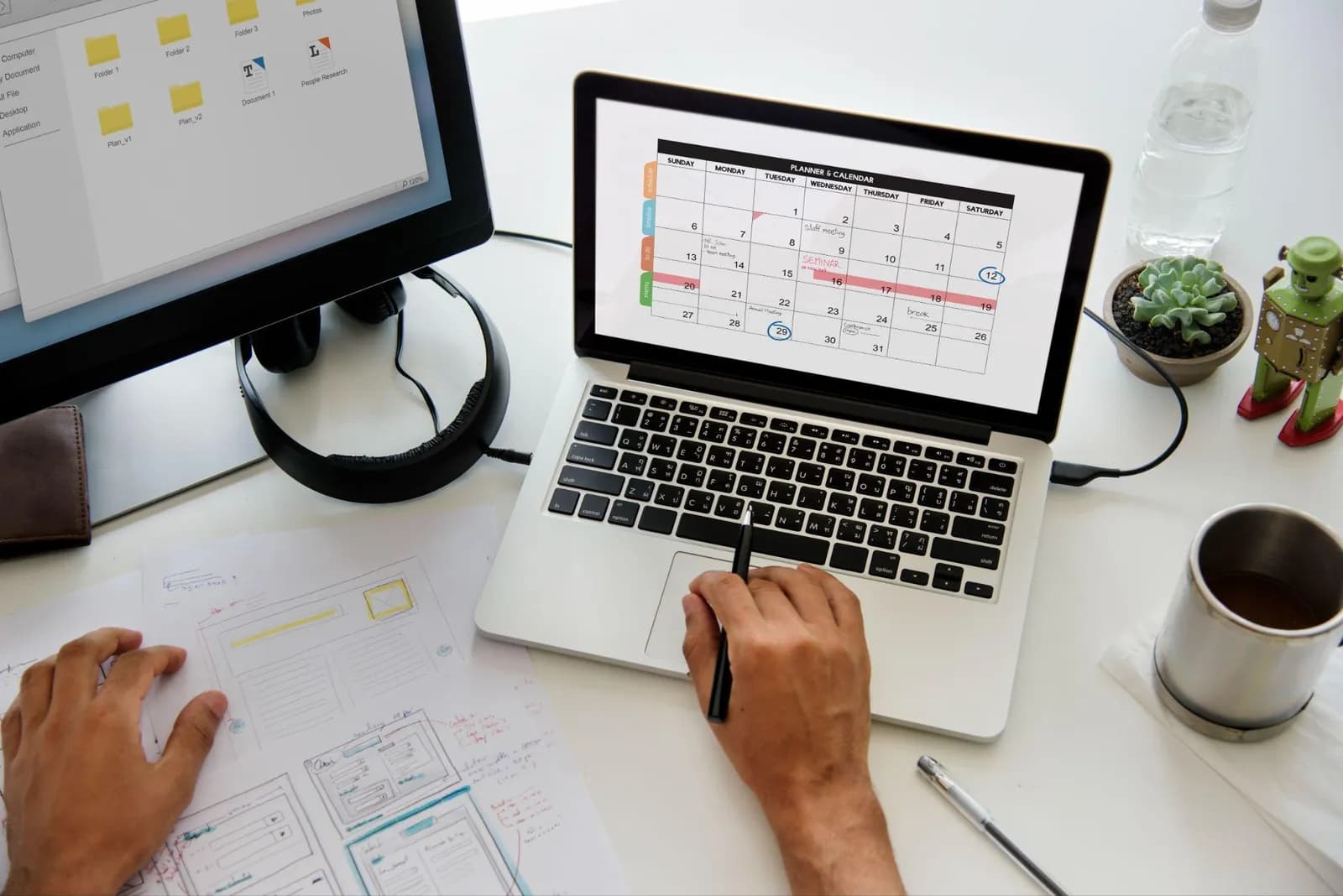
Scheduling tools allow a team to batch-create content in advance and publish across multiple platforms without logging into each network separately. A good workflow typically includes a content brief stage, a draft and design stage, an approval step, and a scheduling step, each with a clear owner so nothing falls through the cracks.
Managing Multiple Platforms Consistently
Managing several accounts efficiently means adapting content to fit each platform's format and audience expectations, while keeping brand voice and visual identity consistent underneath. A single piece of content might become a short-form video for one platform, a carousel for another, and a text-based update for a third. The message stays aligned even as the format changes.
Centralizing account management, rather than treating each platform as a separate project, is what allows a small team to handle multiple accounts without burning out.
Tracking Content Performance
A calendar isn't only a planning tool. It's also where performance data feeds back into future decisions. Reviewing which posts drove the most engagement, clicks, or leads helps refine what gets scheduled next, so the content plan improves with every cycle instead of repeating the same guesswork.
SLVEX builds structured social media management systems for businesses running multiple accounts, and integrates marketing automation so scheduling, reporting, and approvals stay organized without adding extra work for internal teams.
As Sprout Social's guide to building a content calendar notes, a well-built calendar helps teams prioritize quality and consistency over reactive, last-minute posting.

Outsource Your Social Media Management
If managing multiple accounts is stretching your team thin, it may be time to hand the process to specialists. Learn how SLVEX manages social media end-to-end, from planning to performance reporting.
Frequently Asked Questions
How do I create a content calendar for social media?
Start by mapping out your goals for each platform, then plan posts around those goals using a shared spreadsheet or scheduling tool. Include the post copy, visuals, platform, and publish date so your team has full visibility into what's coming and when.
What's the best way to manage multiple social media accounts?
Use a centralized scheduling tool that connects all your platforms in one dashboard, and build a consistent workflow for drafting, approving, and publishing content. This keeps brand voice aligned across platforms while saving significant time compared to managing each account separately.
How far in advance should I plan social media content?
Most businesses plan four to six weeks ahead for core content while leaving room for timely or reactive posts. This balance keeps the calendar organized without making the brand feel rigid or unable to respond to current events.
Can a small team realistically manage several social accounts?
Yes, with the right calendar and scheduling workflow in place. Centralizing planning and using scheduling tools significantly reduces the time needed to manage multiple platforms, making it realistic for even a small team to maintain a consistent presence.